Tanzania is an East African gem celebrated for its unparalleled wildlife, breathtaking landscapes, and vibrant culture. Home to some of the most iconic national parks and game reserves in the world, it is a dream destination for nature enthusiasts, adventurers, and travelers seeking an authentic African safari experience. From the vast savannahs of the Serengeti to the towering peaks of Mount Kilimanjaro, Tanzania offers an unmatched diversity of experiences for all who visit.

Tanzania
EAST AFRICAN GEM
TOP ATTRACTIONS
The Serengeti is synonymous with the quintessential African safari, offering an experience that few places on Earth can match. Spanning over 14,750 square kilometers, this iconic park is renowned for its sweeping savannahs that stretch endlessly into the horizon, dotted with acacia trees and punctuated by rocky outcrops known as kopjes.
The Serengeti’s crowning jewel is undoubtedly the Great Wildebeest Migration, one of the “Seven Natural Wonders of Africa.” This awe-inspiring phenomenon sees over 1.5 million wildebeests, accompanied by hundreds of thousands of zebras and gazelles, traverse the plains in search of fresh grazing lands. This annual cycle, driven by the rains, involves perilous river crossings—most famously at the Mara River—where crocodiles lie in wait, creating dramatic and heart-stopping scenes.
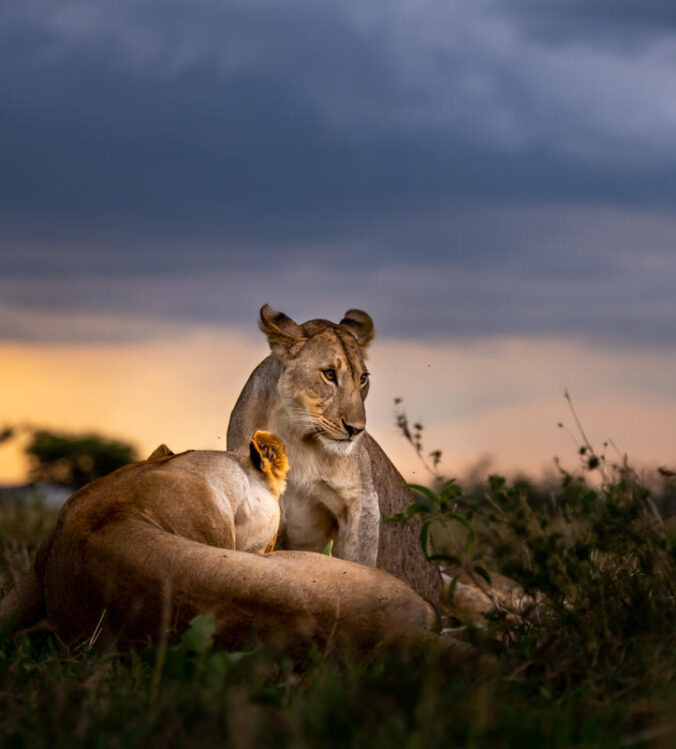
Beyond the migration, the Serengeti offers exceptional game viewing throughout the year. Vast herds of herbivores roam the plains, including elephants, giraffes, and buffalo, providing ample hunting opportunities for predators such as lions, cheetahs, leopards, and hyenas. The Serengeti is particularly famous for its large lion prides and is considered one of the best places in the world to witness their behavior in the wild. Cheetahs thrive on the open plains, while leopards are often found lounging in the trees.
The Serengeti’s diverse ecosystems—from open grasslands and riverine forests to swamps and woodlands—are home to an incredible variety of wildlife. Bird enthusiasts will be delighted by the presence of over 500 bird species, including ostriches, secretary birds, and a vibrant array of raptors and waterfowl.
The Ngorongoro Conservation Area is home to the Ngorongoro Crater, a UNESCO World Heritage Site and the world’s largest intact volcanic caldera. This natural wonder stretches over 260 square kilometers and is often referred to as the “Eighth Wonder of the World.”
The crater serves as a self-contained ecosystem teeming with life. Its fertile floor is a haven for a dense population of animals, including rare black rhinos, massive elephant bulls, and prides of lions known for their impressive size. Visitors can also witness vast herds of wildebeests, zebras, and buffalo, as well as countless gazelles grazing across the open plains.
One of the most striking features of the Ngorongoro Crater is its soda lake, often populated by thousands of flamingos. These iconic pink birds create a breathtaking spectacle against the backdrop of the lush green surroundings. The crater also boasts a thriving birdlife, with over 400 species recorded, making it a paradise for birdwatchers.
Beyond the wildlife, the conservation area offers cultural experiences, particularly with the Maasai community, who live in harmony with nature. Visitors can explore Maasai villages and learn about their traditions and way of life, enriching their safari experience.
A true hidden gem, Tarangire National Park is a haven for wildlife and a must-visit for those seeking a quieter safari experience. The park is named after the Tarangire River, a lifeline for animals during the dry season, when it attracts massive herds of elephants, zebras, and wildebeests.
Tarangire is renowned for its giant baobab trees, which dominate the landscape and provide shade and sustenance for wildlife. The park also boasts a diverse array of habitats, including grasslands, swamps, and woodlands, which support a wide variety of species. Predators such as lions and leopards are often seen stalking their prey, while cheetahs roam the open plains.
Birdwatchers will find Tarangire particularly rewarding, as it is home to over 550 bird species, including the colorful yellow-collared lovebird and the Kori bustard, the heaviest flying bird in the world.
Lake Manyara National Park may be small in size, but it offers a wealth of experiences. The park is best known for its tree-climbing lions, a rare behavior that adds an element of intrigue to any visit. These lions can often be spotted lounging on the branches of acacia trees, surveying their surroundings.
The park’s centerpiece is its alkaline soda lake, which attracts thousands of flamingos during certain seasons, creating a stunning pink hue across the water. Other wildlife includes elephants, hippos, giraffes, and buffalo, as well as a variety of primates like vervet monkeys and baboons.
Lake Manyara’s landscape is equally diverse, featuring dense woodlands, open savannahs, and geothermal hot springs. This variety makes it an excellent destination for photography and exploration.
One of the largest protected areas in Africa, the Selous Game Reserve (renamed Nyerere National Park) offers a remote and unspoiled safari experience. Covering over 50,000 square kilometers, this vast wilderness is a sanctuary for a wide array of wildlife, including elephants, African wild dogs, and hippos.
The Rufiji River, which flows through the park, is a focal point for wildlife activity. Visitors can enjoy boat safaris along the river, providing unique opportunities to observe crocodiles, hippos, and a variety of bird species. Walking safaris and game drives are also popular activities, allowing for intimate encounters with nature.
Ruaha National Park, Tanzania’s largest national park, is a rugged and remote wilderness that appeals to seasoned safari enthusiasts. The park is known for its high concentration of predators, including lions, leopards, and cheetahs, as well as its impressive populations of elephants and giraffes.
Ruaha’s landscape is characterized by dramatic escarpments, rolling hills, and baobab-studded plains. The Great Ruaha River, which flows through the park, attracts a diverse array of wildlife, particularly during the dry season.
Visitors to Ruaha can enjoy game drives, walking safaris, and birdwatching, with over 570 bird species recorded in the park. Its remote location ensures a tranquil and exclusive safari experience, far from the crowds.

Best Time to
Visit Tanzania
Tanzania’s wildlife and landscapes can be enjoyed year-round, but the best time to visit depends on your interests:
June to October: This dry season is ideal for game viewing as animals congregate around water sources. It’s also the best time to witness the Great Migration in the Serengeti.
November to March: The short and long rains create lush landscapes, making this a great time for birdwatching and calving season for many herbivores.
January to March: The Southern Serengeti becomes a calving ground for wildebeests, offering unique predator-prey interactions.